 Experts' Choice Award
 Rector's Palace
What the experts agree on
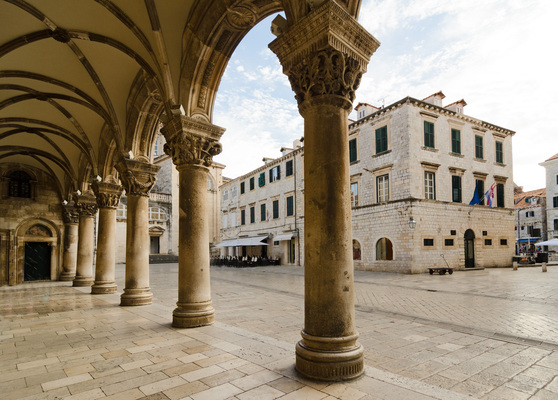
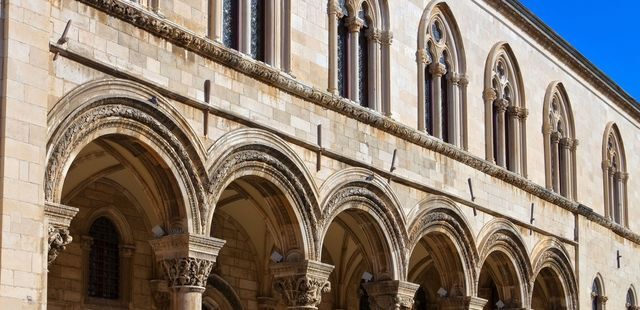
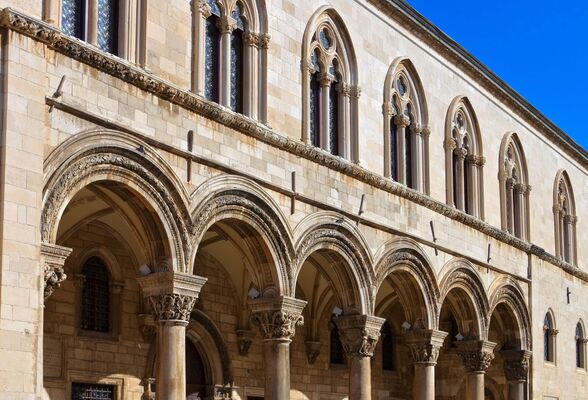
Rector's Palace charms with its arcaded façade and elegant courtyard, blending Gothic, Renaissance and Baroque styles after earthquakes and rebuilds. Now the Cultural History Museum, showcasing Dubrovnik's past through thousands of artifacts.
“This 15th-century palace (now a museum) was once the governmental seat of the Ragusan Republic.”
– Concierge
 Travel + Leisure
 "The former castle that now houses the Museum of Dubrovnik, which has artifacts—including old coins and furnishings." Full review
 Michelin Guide
 2 Stars
"This former medieval fortress combines a sophisticated 15C Gothic style with Renaissance, Baroque and even Rococo elements, following a series of accidents and the earthquake of 1667." Full review
 Time Out
 "The most historic monument in Dubrovnik, the Rector's Palace was rebuilt twice." Full review
 U.S. News & World Report
8.0
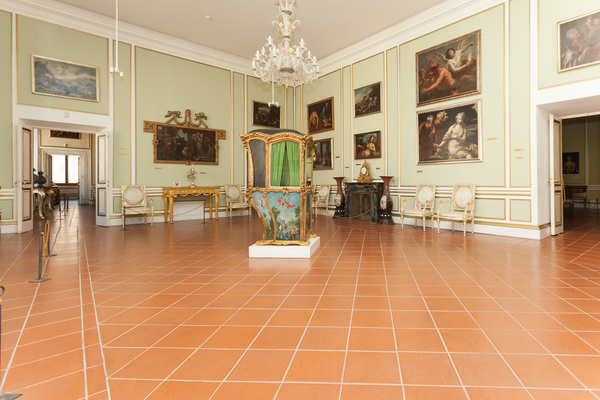
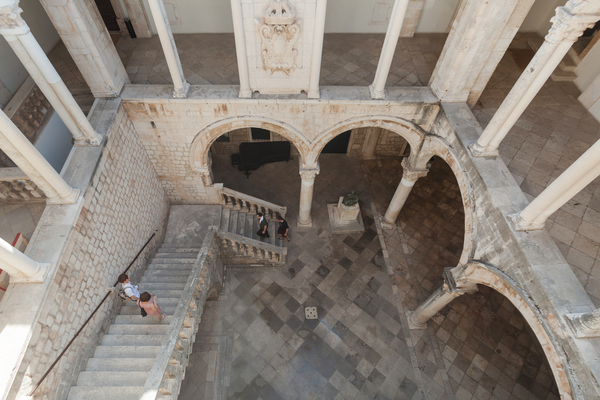
"The internal courtyard stands as the most memorable feature...the city museum on the second floor, which includes more than 10,000 objects from the end of the 15th century to the 20th century." Full review
 Fodor's
 "One of the most significant buildings along the Croatian Coast...now home to the Cultural Historical Museum, containing exhibits that give a picture of life in Dubrovnik from early days until the fall" Full review
 Frommer's
 "The design is most notable for its elegant arcaded façade and internal courtyard." Full review
 Afar Magazine
 "The most important public building in the time of the Ragusan Republic, the Rector’s Palace was home to Dubrovnik's ruler during his one-month mandate, the period when he was separated..." Full review
Time Out "Don't miss: The Inner courtyard of the Rector's Palace, with its trademark stone staircase, used for the meeting of Daenerys and the Spice King in Qarth in series two, episode five"
The 51 best things to do in Dubrovnik
March 2, 2020
 Condé Nast Traveler
 "The Rector's Palace is one of the best museums for learning about Dubrovnik's history, back when it was the Republic of Ragusa. It was here that each elected Rector would take up..."
 Lonely Planet
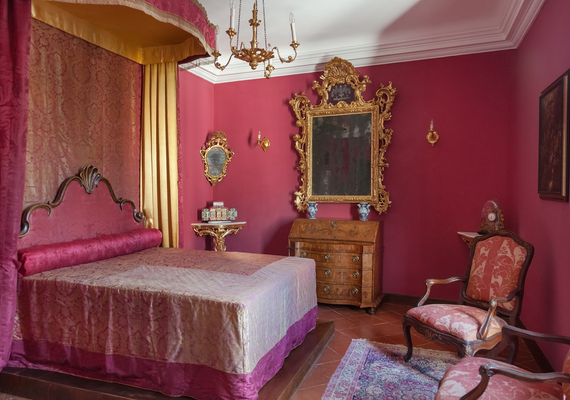
 "On the opposite side of the Stradun, be sure to look in the 15th-century Rector's Palace, complete with period furnishing, to see how local aristocrats once lived"

