 Experts' Choice Award
 Mauna Kea
7 expert reviews
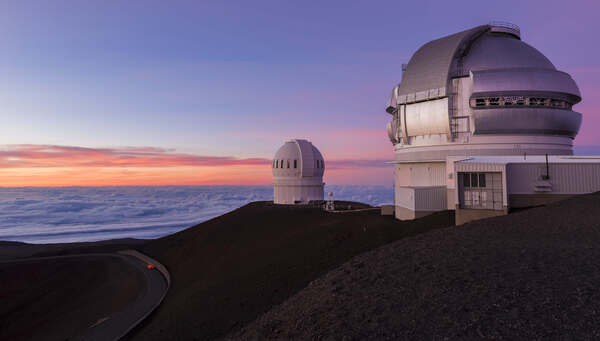
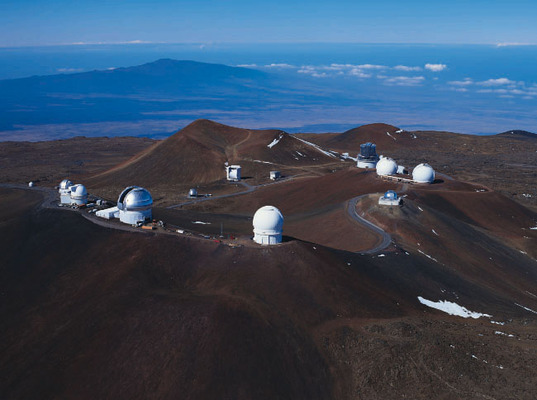
“Earth's tallest volcano is sacred to Native Hawaiians, and home to a dozen world-class observatories. ”
– Atlas Obscura
 Lonely Planet
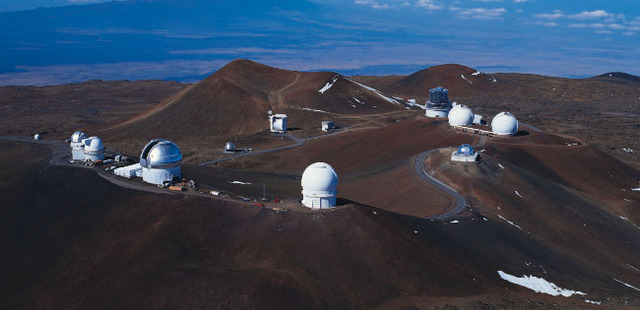
 "Hawaii's highest peak... has a cluster of observatory domes, containing what is considered the greatest collection of astronomical telescopes in the world."
 Afar Magazine
 "You will see all 11 observatories from 13 countries with telescopes pointing toward the heavens." Full review
Lonely Planet "The site is on the Mauna Kea Trail, 1 mile and 650ft below its intersection with the Lake Waiʻau trail. It's a registered National Historic Landmark and considered a sacred place." Full review
 Where
Where "Who would have thought that there is a word in the Hawaiian language for snow? The frosts of winter can actually be found here at the summit of Mauna Kea, the highest point in the state." Full review
 Michelin Guide
 2 Stars
"Certainly, you're close-when measured from its base on the ocean floor, Mauna Kea reaches an amazing 13,796 feet!" Full review
 Frommer's
 "One of the best places on earth for astronomical observations, thanks to its location in the tropics, pollution-free skies, and pitch-black nights." Full review
Featured in