 Experts' Choice Award
 Kingsley Plantation
5 expert reviews
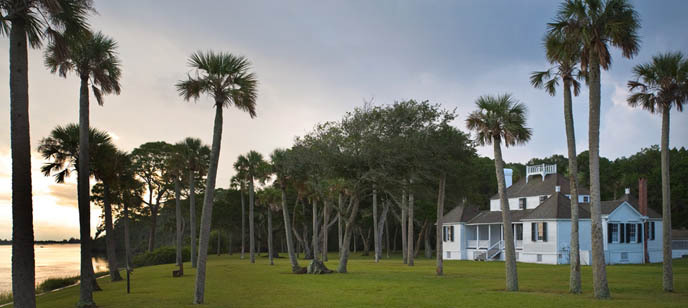
“The ruins of 23 tabby (a concretelike mixture of sand and crushed shells) slave houses, a barn, and the modest Kingsley home are open to the public via self-guided tours and reachable by bridge.”
– Fodor's
 Where
Where "Remains of this 19th-century plantation include a well-preserved, two-story clapboard house, a kitchen house, a barn/carriage house and remnants of 23 slave cabins built with oyster shells and sand." Full review
 U.S. News & World Report
9.0
"Set in Timucuan Ecological and Historic Preserve — one of the last bits of unspoiled wetlands along the Atlantic Coast — Kingsley Plantation is the former home of Zephaniah Kingsley. His..." Full review
 Independent
 "This former cotton plantation on Fort George Island offers visitors a glimpse into the history of slavery in the region"
How to Spend a Long Weekend in Jacksonville
November 22, 2023
 Travel + Leisure
 "Head to this site to learn about the 1814 plantation house and the people who lived there — both enslaved Africans and plantation owners."
15 Best Things to Do in Jacksonville, Florida, According to Locals
December 26, 2023

