 Experts' Choice Award
 Nijo Castle
What the experts agree on
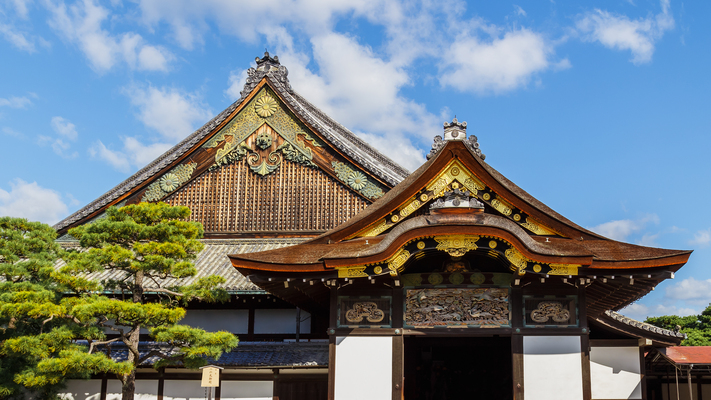
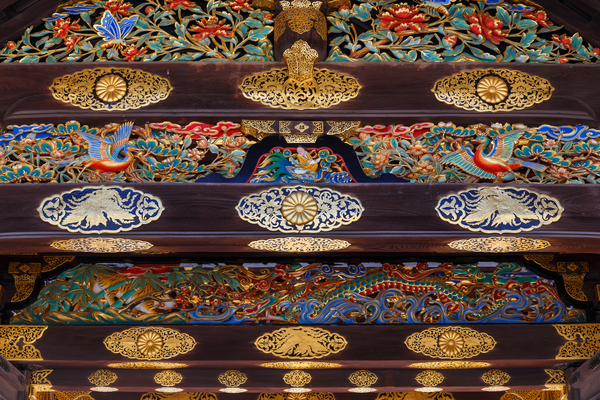
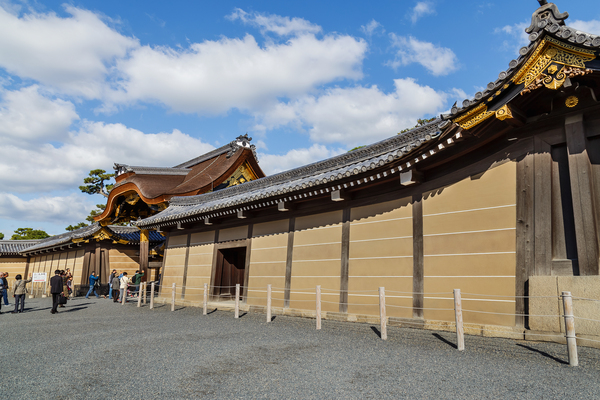
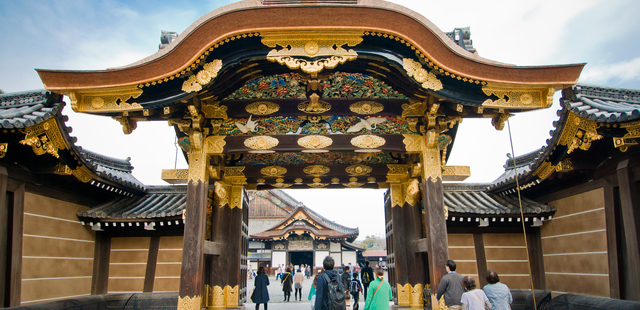
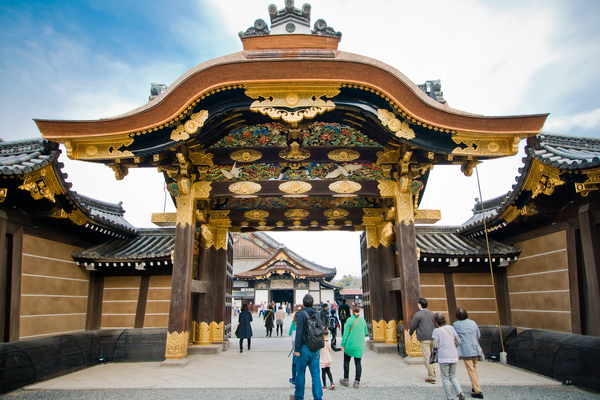
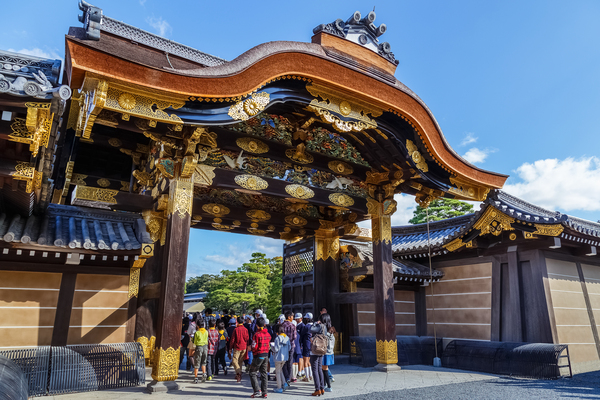
Built in 1603 as the Tokugawa shogun's opulent Kyoto residence, Nijo Castle impresses with gold-leaf paintings, ornate ceilings, and lavish ceremonial rooms that showcase power rather than military defense—a rare architectural statement among Japan's
“The ceremonial rooms are embellished with paintings finished with gold, exemplary works of the Kano school, lavishly decorated coffered ceilings and superb tokonoma, altars which honour the ancestors.”
– Michelin Guide
 Fodor's
 "Nijo Castle, begun in 1603, is a grandiose and unequivocal statement of the shogunate's power." Full review
 Frommer's
 "The Tokugawa shogun's Kyoto home stands in stark contrast to most of Japan's other remaining castles, which were constructed purely for defense." Full review
 U.S. News & World Report
7.0
"After years of bitter strife, the aging samurai lord Tokugawa Ieyasu finally wrested power from Japan's many warring clans and unified them at the turn of the 17th century. Upon being..." Full review
 National Geographic
 "Nijo Castle, the residence of Tokugawa shoguns, stands in the heart of the city as a testimony of the power that the Shoguns wielded over the emperors throughout the Edo Period. The..."
 Lonely Planet
 "The Nakagyō ward in the heart of Kyoto is home to Nijō Castle, the former residence of the Tokugawa Shogun, the lineage of militaristic dictators who ruled Jan during the Edo period. It..."

