Museo Oro del PeruvsAMANO Museo Textil Precolombino
Museo Oro del Peru and Amano Museum are both recommended by writers. On balance, Amano Museum is the choice of most writers compared to Museo Oro del Peru. Amano Museum has a TripExpert Score of 83 with endorsements from 4 publications like Fodor's, Travel + Leisure and Lonely Planet.
Museo Oro del Peru Fodor's
 Lonely Planet
 Michelin Guide
 Frommer's
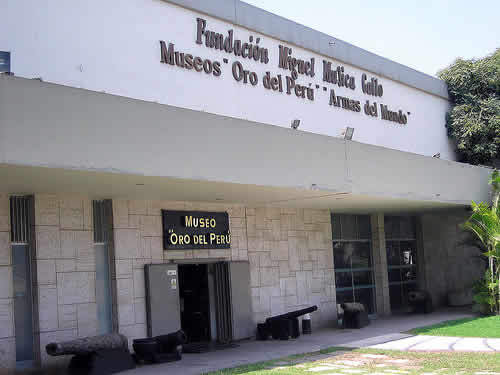
Av. Alonso de Molina 1100, Lima, Peru
From $0/night
Fodor's "The Gold Museum has other interesting items, including a child's poncho of yellow feathers, a skull with a full set of pink quartz teeth, and several mummies." Full review
Lonely Planet "The now notorious Museo de Oro del Perú, a private museum, was a Lima must-see until 2001, when a study revealed that 85% of the museum’s metallurgical pieces were fakes." Full review
Michelin Guide 3 Stars
"A profusion of Paracas and Nazca fabrics fills an entire floor. The ground-floor is home to a stunningweapons collection from many countries and periods." Full review
Frommer's "The museum’s most interesting collection is the section of the museum called “Weapons of the World,” which features tens of thousands of different weapons from across the globe " Full review
AMANO Museo Textil Precolombino Frommer's Fodor's Lonely Planet Travel + Leisure Frommer's
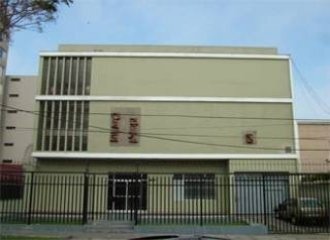
Retiro Street 160, Miraflores, Lima, Peru
From $0/night
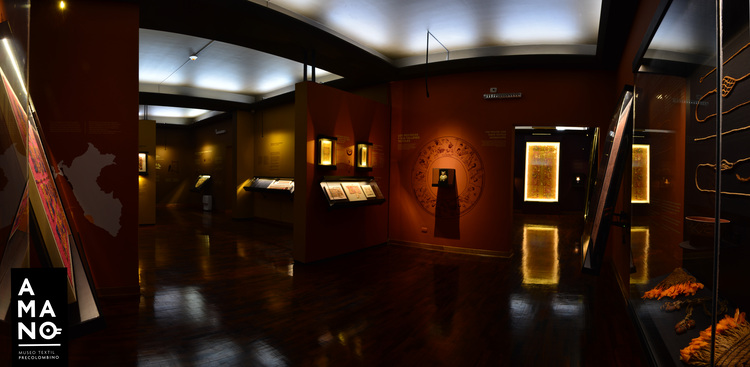
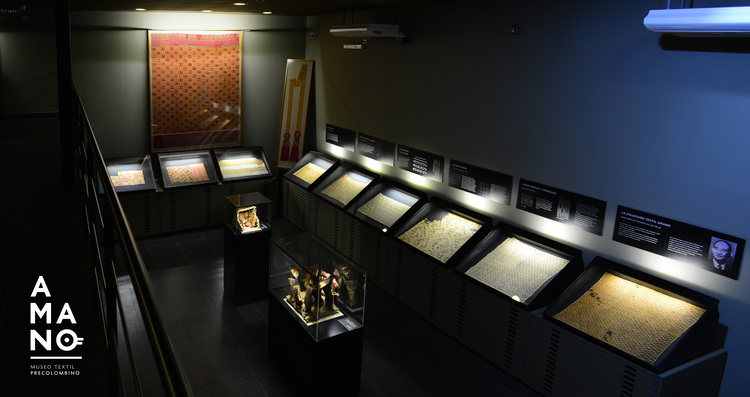
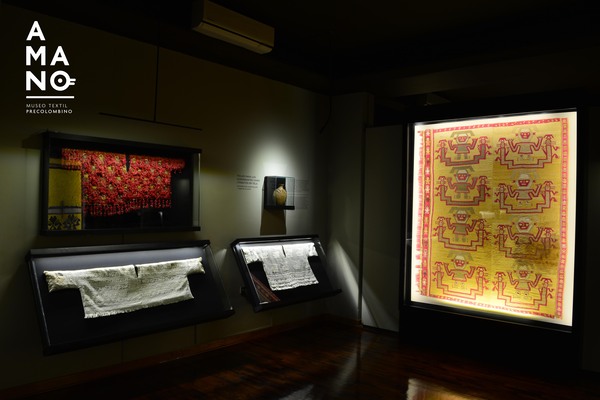
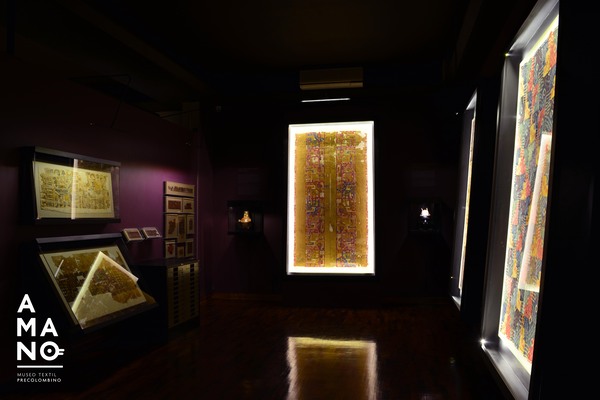
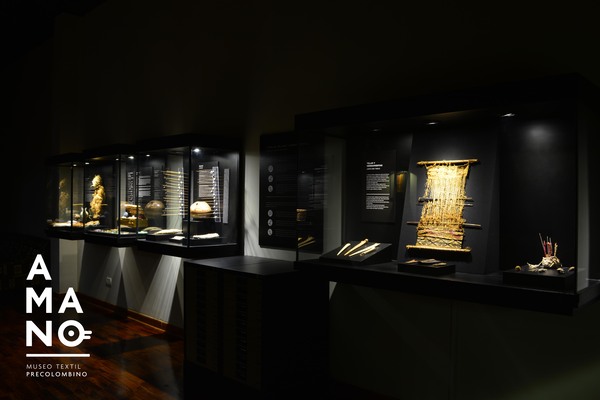
Frommer's "This nicely designed museum features a collection of artifacts belonging to a single collector, representing some of Peru's most important civilization." Full review
Fodor's "This museum packs a lot into a small space. The private collection of pre-Columbian artifacts includes some of the city's best ceramics." Full review
Lonely PlanetTop choice
"Fine private collection of ceramics, with a strong representation of wares from the Chimú and Nazca cultures. It also has a remarkable assortment of lace and other textiles." Full review
Travel + Leisure "For a fascinating introduction to pre-Columbian life, visit this diminutive museum." Full review
i
Open by appointment only, so call ahead.
Frommer's "The astounding collection includes more than 40,000 artifacts, primarily textiles representing the entire history of cultural development in ancient Peru." Full review

